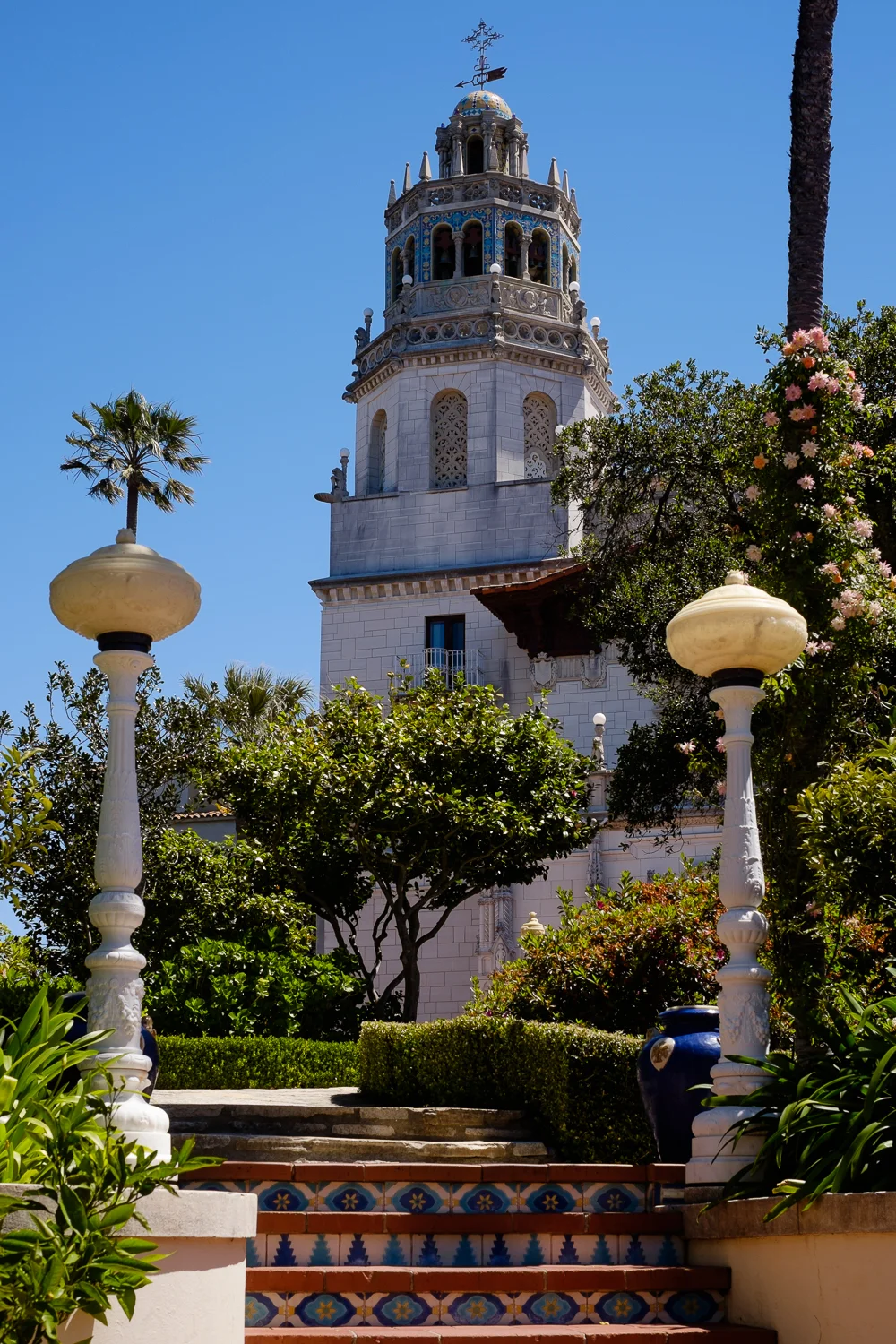
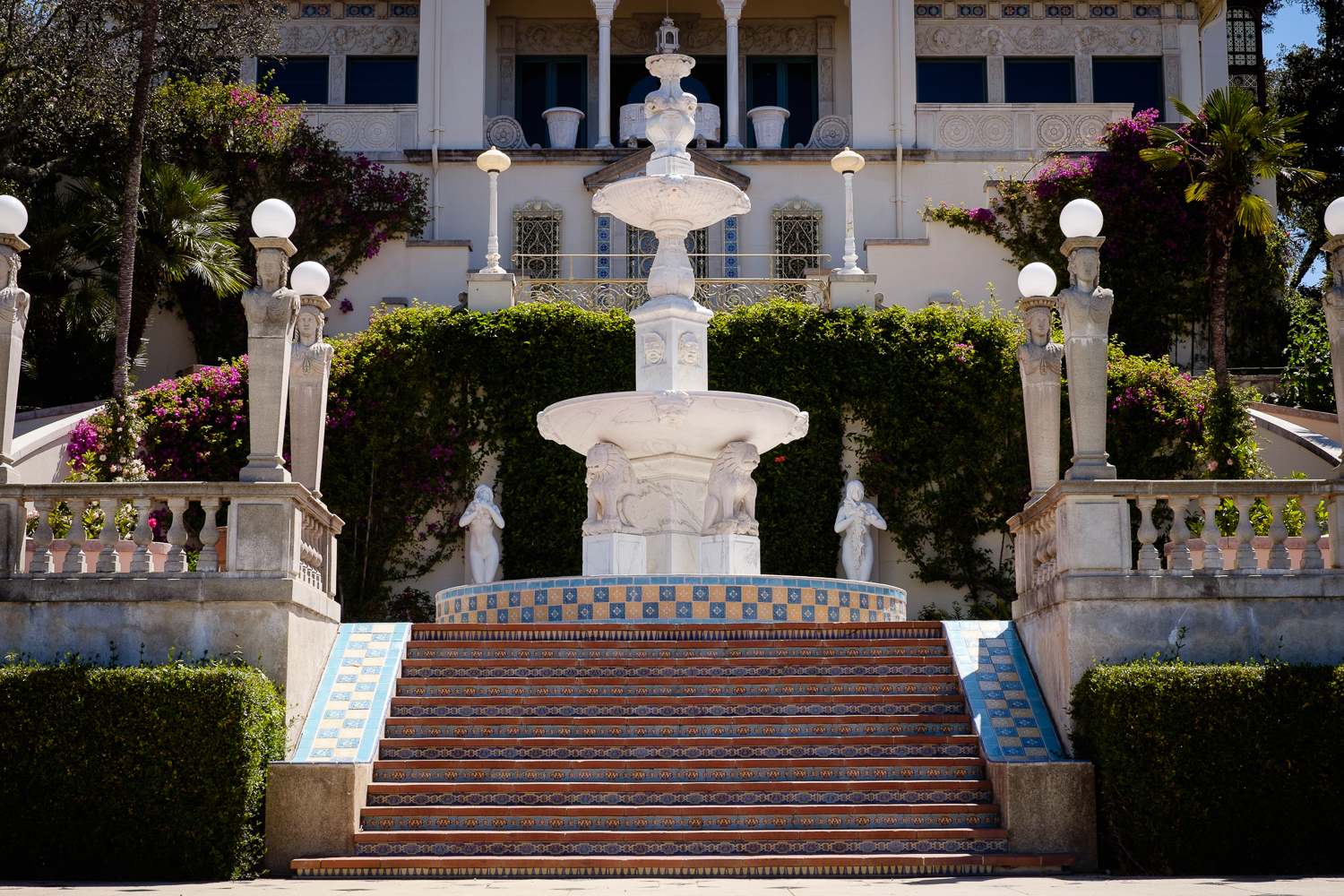
One of the reasons we decided to stay in Cambria for our weekend getaway was because of its proximity to Hearst Castle. While I had stopped by Hearst Castle before, I had never taken the time to join one of the tours. This time around, we planned ahead and took a morning tour of the the upstairs suites. The tour inside lasted about 40 minutes and then we were able to roam the grounds outside for as long as we liked. Our tour guide had a lot of personality and gave us a great deal of insight into the history behind William Randolph Hearst and his historic mansion. I think my favorite parts of our visit was the indoor Roman Pool and the spectacular views of the coast from the grounds surrounding the mansion.
Blog



Long Weekend in Cambria
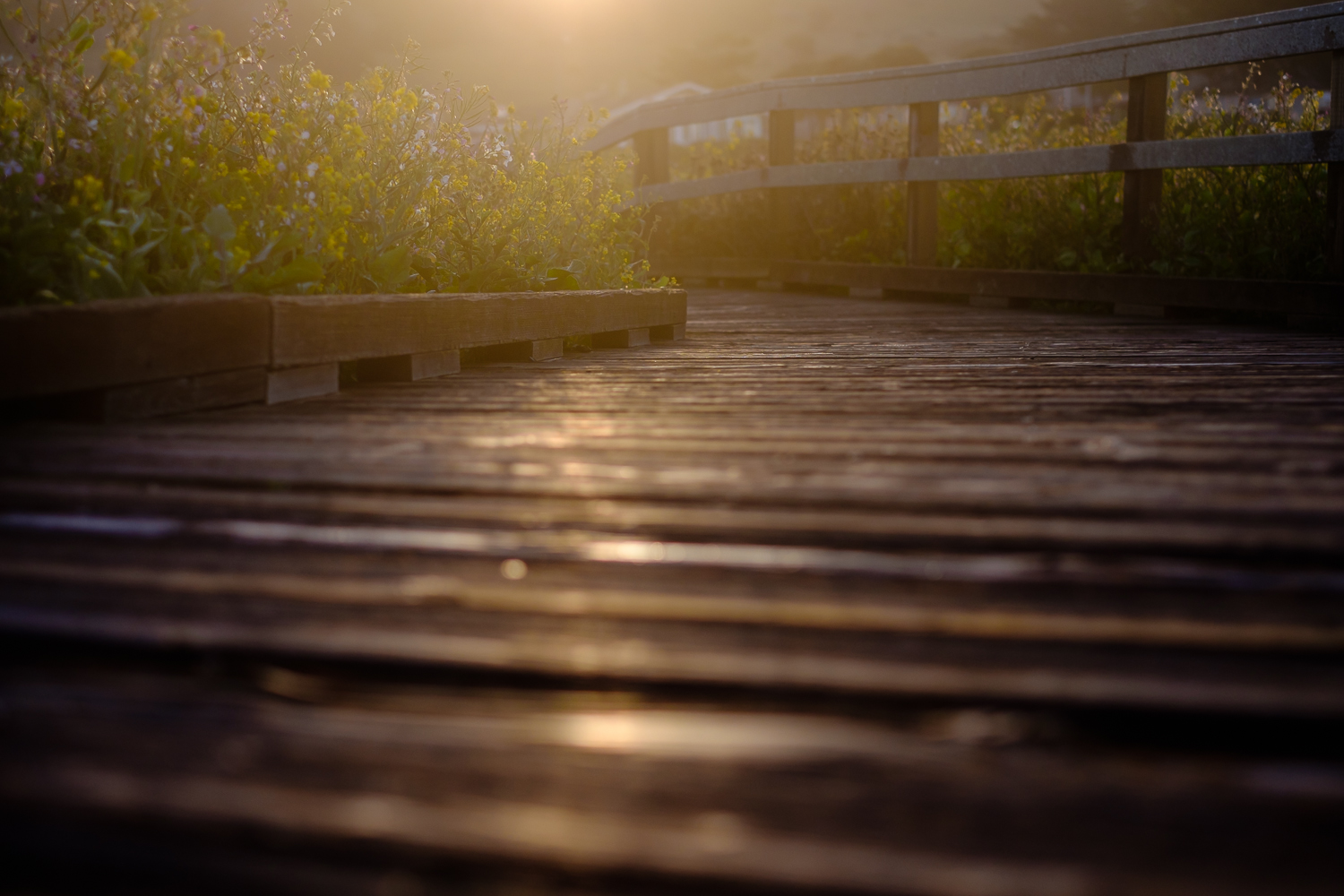
My wife and I took a road trip up the California Coast recently to Cambria, a scenic little seaside village located on Highway 1 halfway between Los Angeles and San Francisco. We stayed in a small hotel on Moonstone Beach Drive called the Cambria Landing Inn & Suites. The room was nice and the location of the hotel let us explore the beach without getting in our car which was a big plus. During our stay, we tried out the local restaurants in downtown Cambria (our favorite was Robin's), relaxed, and enjoyed morning strolls along the Moonstone Beach Boardwalk. It was a great weekend getaway and just what we needed to recharge after a busy couple months at work. I didn't spend much time shooting on our trip, but I did capture the following images during those morning strolls on the boardwalk.


Morning Long Exposures in San Francisco
We stayed along the Embarcadero near the Bay Bridge during our trip to San Francisco. This gave me a chance to shoot some early morning long exposures of the San Francisco Bay. I photographed the Bay Bridge at sunset the last time we visited San Francisco so it was nice to catch a couple sunrises this time around. Here are three of my favorite images shot on two consecutive mornings with the Fujifilm X-T1 and XF 14mm and 60mm lenses.

28 seconds at f/11
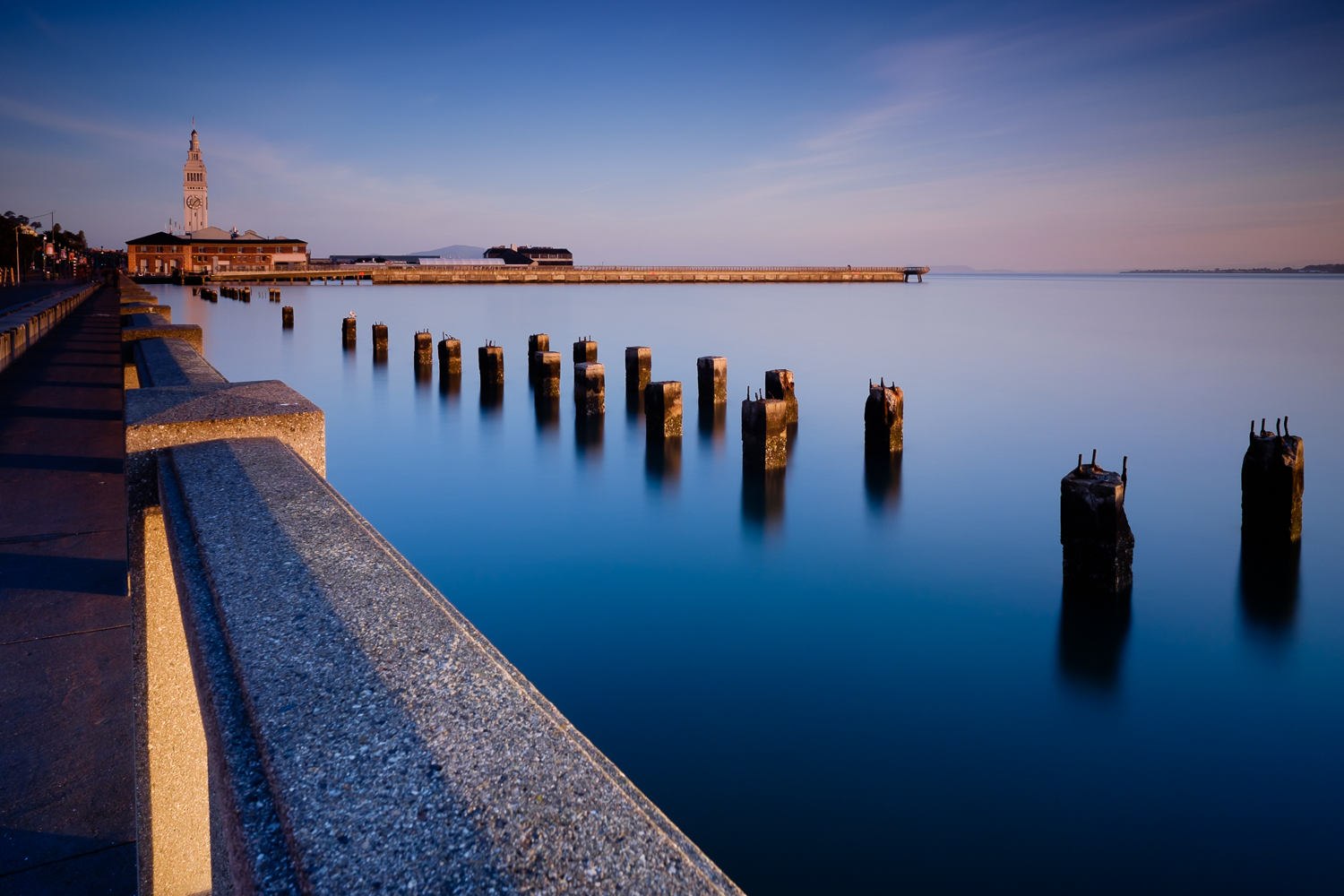
90 seconds at f/11

45 seconds at f/16
San Francisco and the X-T1
As I mentioned last week, I sent back my first X-T1 because of the light leak issue. Well, thanks to a timely post on Fuji Rumors, I was able to order a second X-T1 in time for our trip to San Francisco. The X-T1 I received from Amazon has a serial number higher than the ones noted by Fuji here and I confirmed before our trip that the light leak issue has been fixed, at least for my camera. In addition to fixing the light leak issue, I was pleased to find that Fuji seemingly addressed the issue with the 4-way directional pad buttons. While there is no confirmation of this from Fuji, the buttons on the directional pad of the camera I received have noticeably more feedback than the original X-T1 I returned. I wasn't able do a direct comparison since I sent back the first X-T1 before ordering the second, but I definitely find changing focus points less challenging.
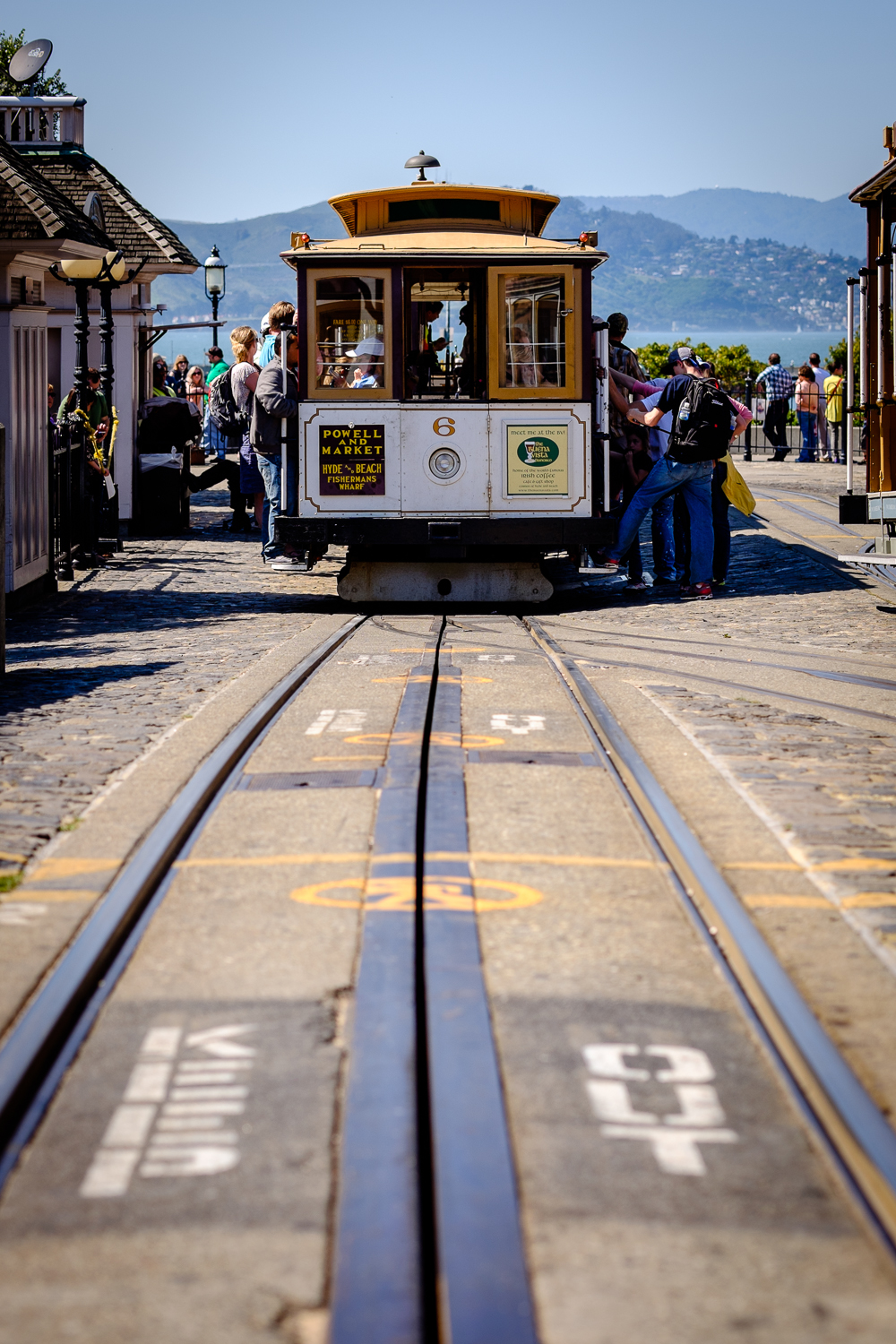
With that, I'll leave you with some images from our time in San Francisco shot with the new X-T1 and XF 14mm, 35mm, and 60mm lenses . By the way, all of these were edited in Lightroom 5.4 using the newly available Fujifilm camera profiles. I'm really liking the new profiles so far and I have a feeling I'll be using the VSCO Film presets less and less going forward. If you haven't updated Lightroom yet, I suggest you head on over to the Adobe website to download the update now.




Fujifilm X100S and Sony A7 Comparison
With my X-Pro1 out of commission and my X-T1 headed back to B&H because of the light leak issue, I thought I would shake things up a bit by renting the Sony A7 and FE 35mm f/2.8 lens. To make things even more interesting, I decided to compare the Sony A7/35mm lens combo with the Fujifilm X100S. Not a scientific comparison based on sharpness and resolution, but more of a real world comparison based on how and what I shoot.
Each pair of images below were shot back to back with me standing in the same place. I also tried to compose each pair of images to be identical, but this turned out to be much more difficult than I anticipated. All the images were shot in RAW and then processed using Lightroom 5 and VSCO Film 04. While I didn't use the same VSCO preset for all the images, I did use the same Fuji and Sony variations of the selected preset for each pair of images.
X100S - 1/640 seconds at f/2 (ND on)
X100S - 1/60 seconds at f/8
X100S - 15 seconds at f/8
X100S - 1/60 seconds at f/8
X100S - 58 seconds at f/8
A7 - 1/2000 seconds at f/2.8
A7 - 1/80 seconds at f/8
A7 - 10 seconds at f/8
A7 - 1/60 seconds at f/8
A7 - 30 seconds at f/8
As you can see, there are noticeable differences between each pair of images. Most notably the white balance selected by each camera's auto white balance meter. This is especially apparent in the final pair of images. The other difference is more subtle, but expected. And that is the slight difference in field of view due to the 23mm lens on the X100S versus the 35mm lens mounted on the A7. While both setups yield a 35mm full-frame equivalent focal length, the wider lens on the X100S does result in a bit more of the scene being captured within the frame.
So what conclusions have I drawn from this comparison? Mainly that for how and what I shoot, the APS-C sensors on the X100S and X-Pro1/X-T1 are good enough. Based on the results of my completely unscientific comparison and the fact that I rarely make large prints, I really can't find any reason to consider a move to Sony. It's not that the Sony A7 (and A7R which I haven't used) aren't great cameras. It's just that for my needs and preferences, the Fuji X Series cameras and lenses simply suit me better.